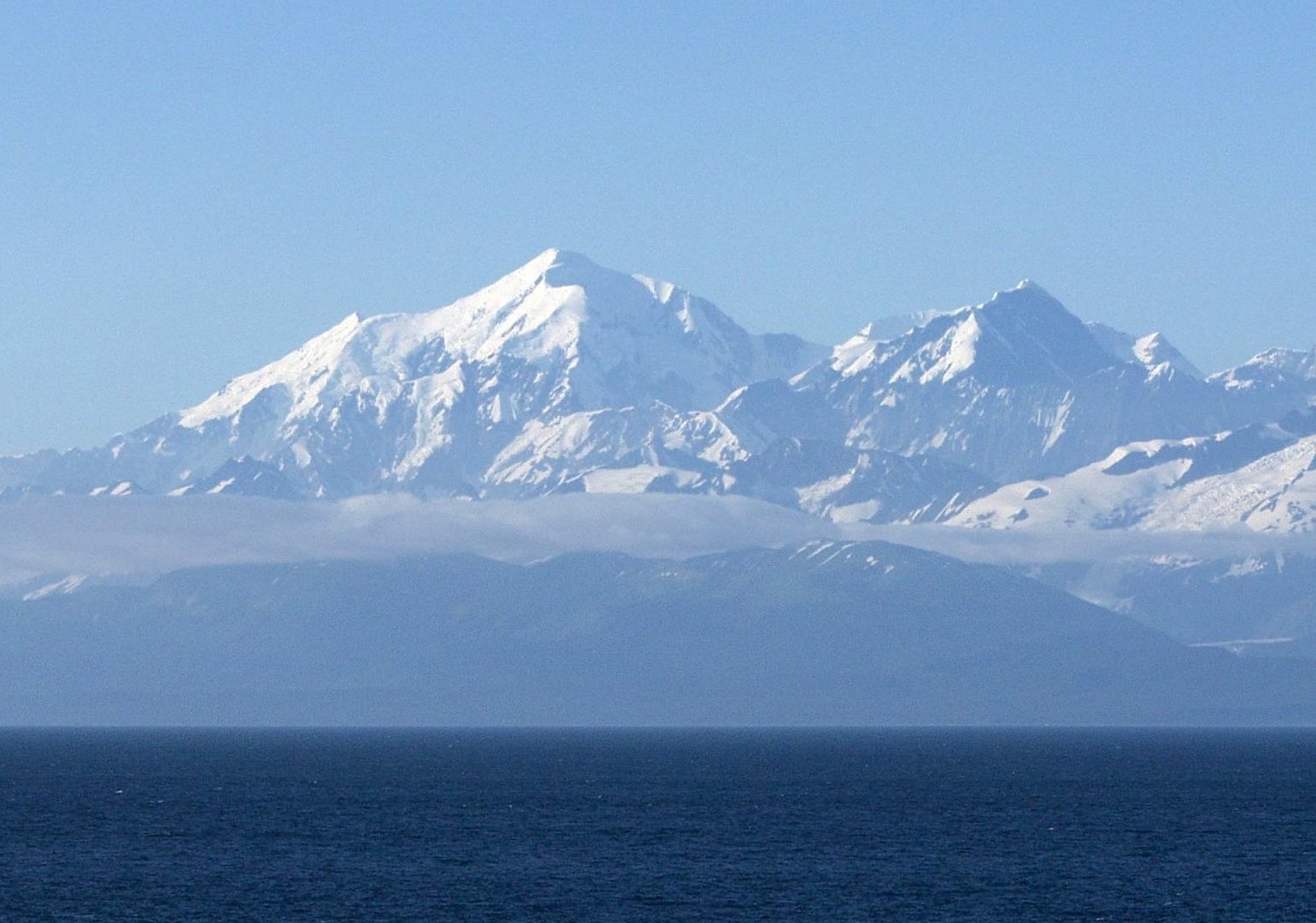
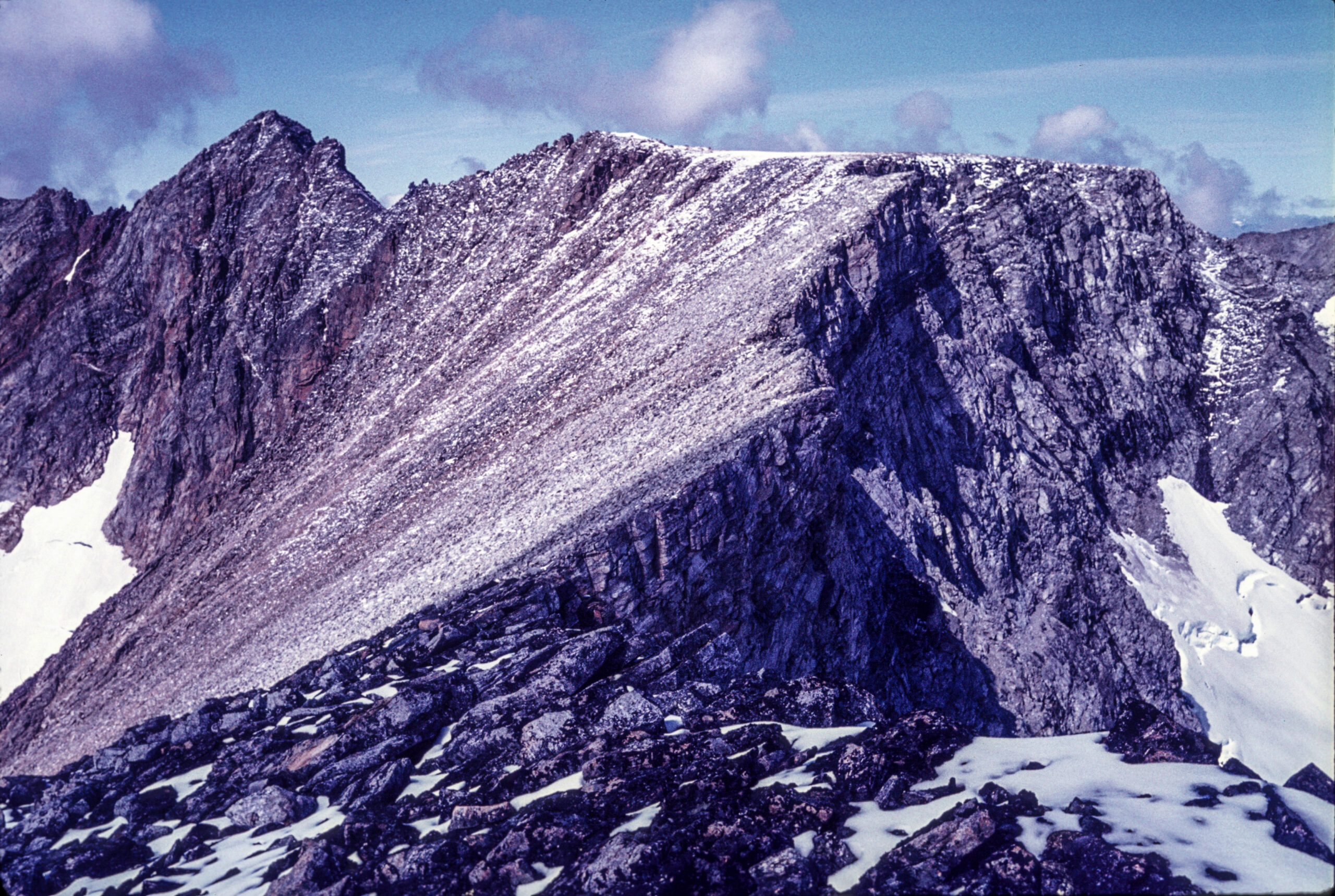
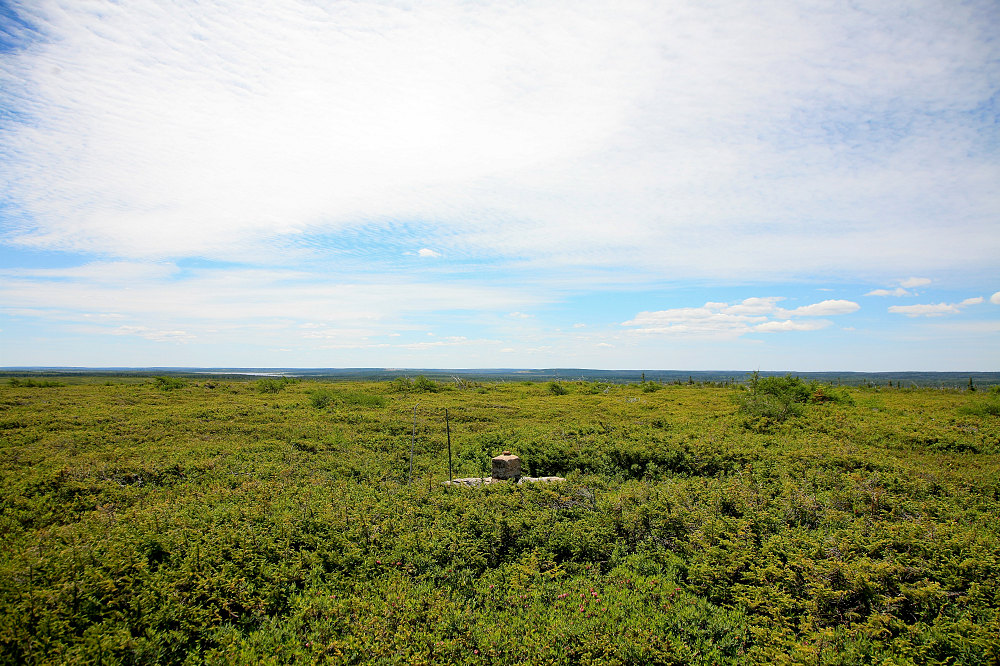
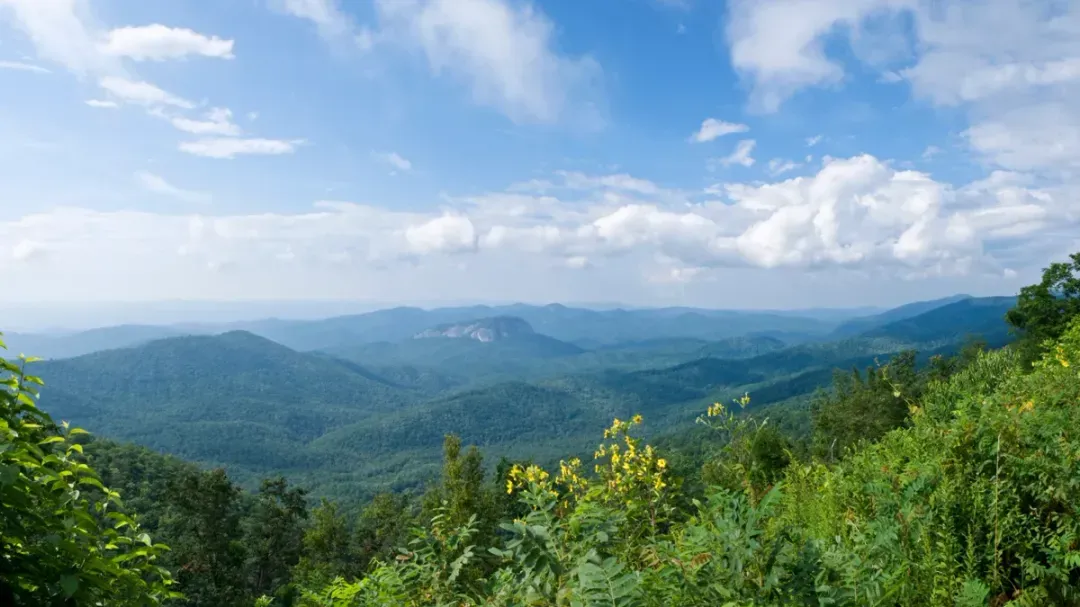
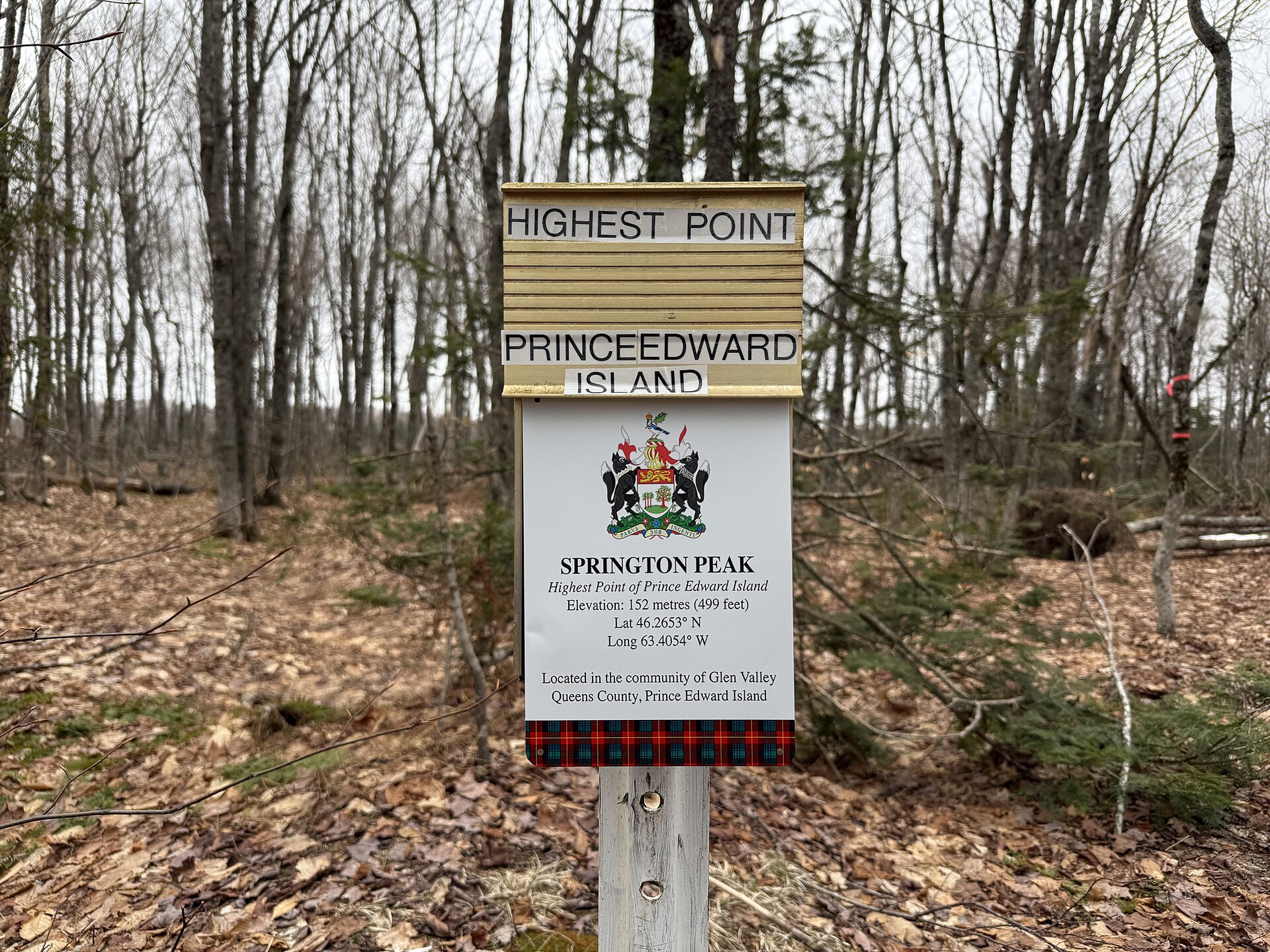
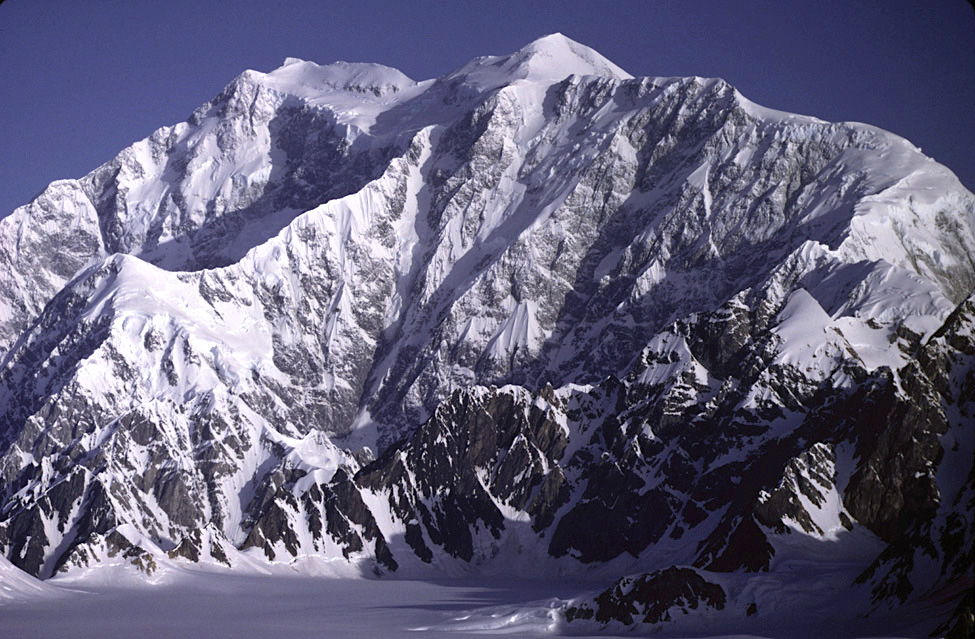
For a long time, some of the landscapes that stood out to me most were the mountains of Canada. Seeing places like Banff and Jasper National Parks and the incredible scenery surrounding them made me realize just how different and dramatic the landscapes of the Canadian Rockies felt. The mountains looked bigger, wilder, and more remote than anything I was used to seeing.
The more I looked into Canada’s highest peaks, the more interested I became. Unlike the United States, where some highpoints can be quick stops and others become major climbs, Canada introduces an entirely different level of challenge. Many of these peaks are incredibly remote, requiring long approaches, difficult terrain, and serious planning just to reach them. That sense of adventure and uncertainty is part of what makes them so exciting.
The goal of this project is simple: reach the highest natural point in each Canadian province and territory and experience not only the mountains themselves, but also the landscapes, parks, communities, and remote places that make Canada unique.
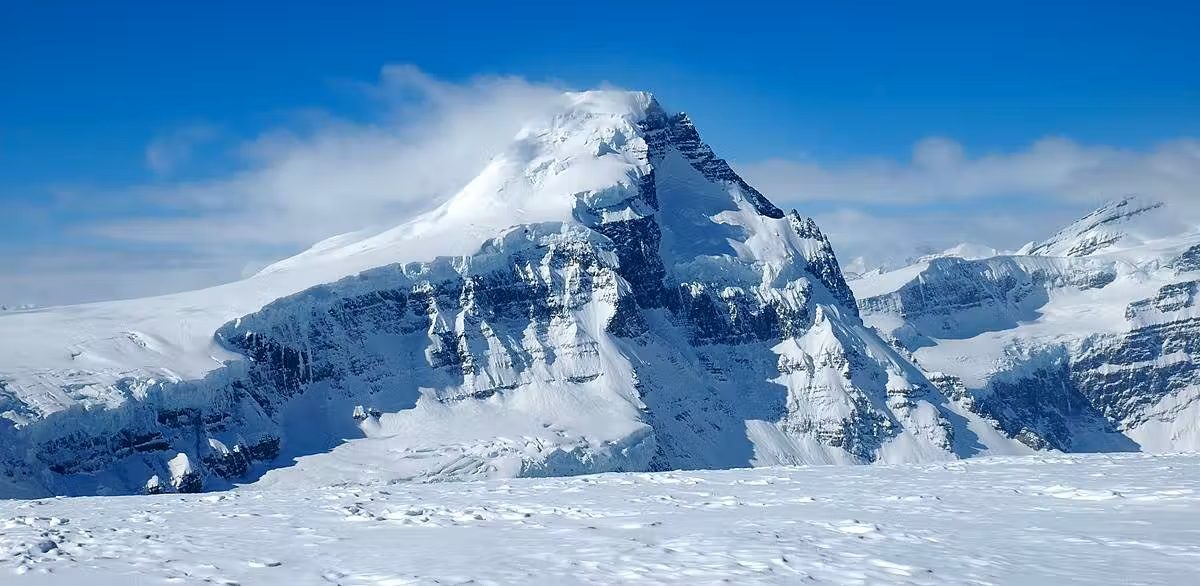
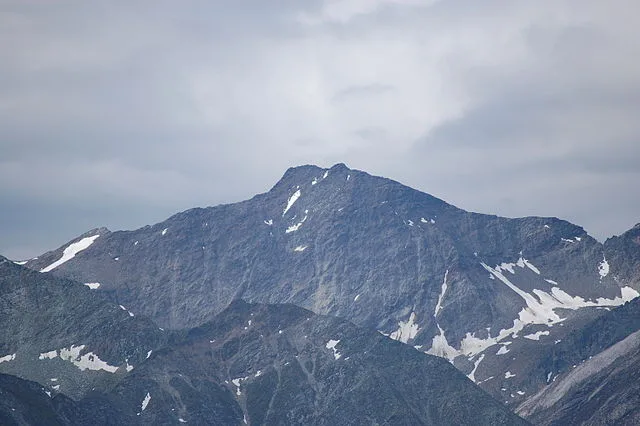
Mountain Name: Mount Columbia
Elevation: 12,293 ft (3,747 m)
Prominence: ~7,661 ft (2,335 m)
Mountain Range: Canadian Rockies / Columbia Mountains
Location: Border of Alberta and British Columbia within the Columbia Icefield region
Hiking Difficulty: Very Difficult / Mountaineering Expedition
Typical Trail Length: ~18–25+ miles round trip depending on route and camp locations
Notable Features:
- Part of the massive Columbia Icefield, one of the largest ice fields in the Rocky Mountains
- Highest point in Alberta
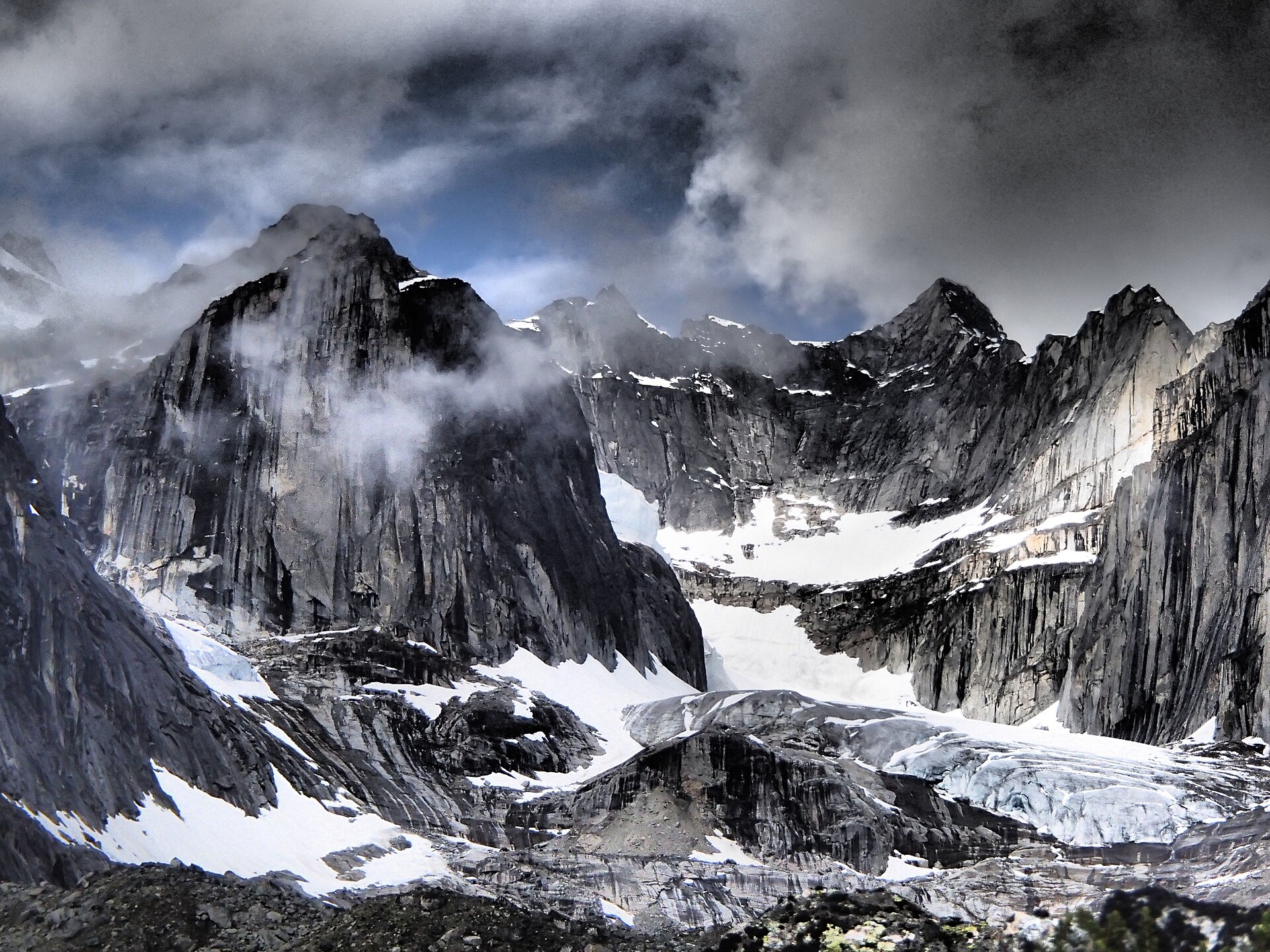
- Surrounded by extensive glaciers and rugged alpine terrain
- One of the most significant mountaineering peaks in the Canadian Rockies
Unique Characteristics:
- Requires glacier travel, route finding, and mountaineering experience
- Typically completed as a multi-day expedition rather than a day hike
- Offers expansive views across surrounding icefields and mountain ranges
- One of the more remote and challenging provincial highpoints in Canada
Best Time to Visit: July through early September when weather and glacier conditions are generally most favorable.